Occupied Ecologies: Settler Colonialism and the Struggle for Sovereignty in South Asia's Contested Borderlands
Symposium
- Date
- 8 May 2026
- Time
- 17:00 -19:00
- Room
- B5.12
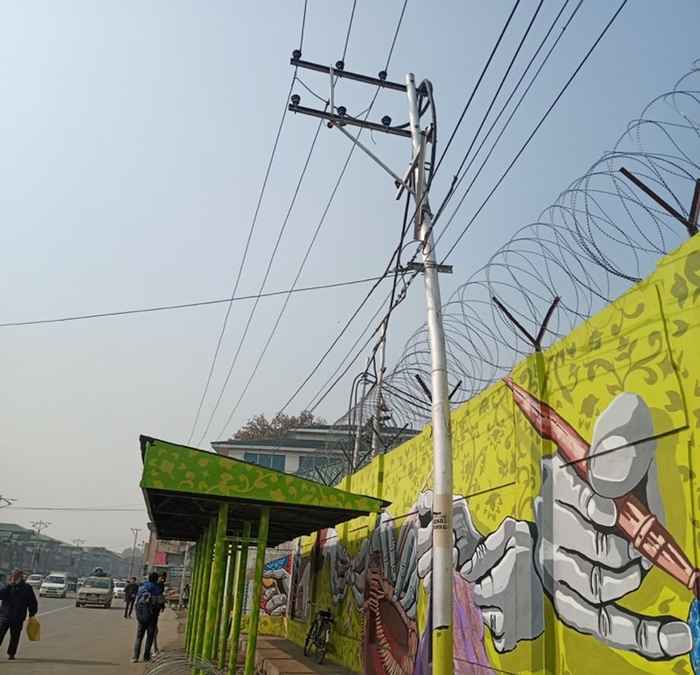
The panel brings together ethnographic, historical, and decolonial perspectives to explore how militarization reshapes everyday life in borderland and agrarian communities, from mass disenfranchisement and surveillance to cultural erasure and ecological dispossession; accelerating processes of demographic engineering, land appropriation, and the systematic dismantling of political autonomy.
The event also adopts a comparative lens, drawing parallels with other occupied territories, where nation-states deploy civilizational narratives to legitimize control over land, resources, and populations. Grounding its analysis in the ethics of decolonial ethnography, the panel asks what it means to bear witness, produce knowledge, and act responsibly in contexts of ongoing erasure and violence.
Panellists
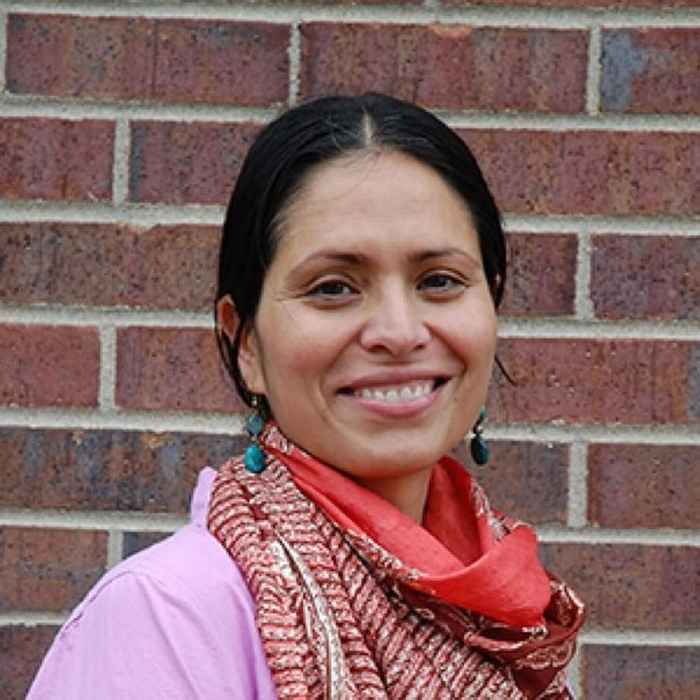
Ather Zia is a political anthropologist, poet, short fiction writer, and columnist. She is a Professor of Anthropology and Gender Studies at the University of Northern Colorado. She is the author of Resisting Disappearances: Military Occupation and Women’s Activism in Kashmir; founder-editor of Kashmir Lit, and is the co-founder of Critical Kashmir Studies Collective. Her new poetry collection titled “In Kashmir: Writing Under Occupation has just been published by Agitate Collective.
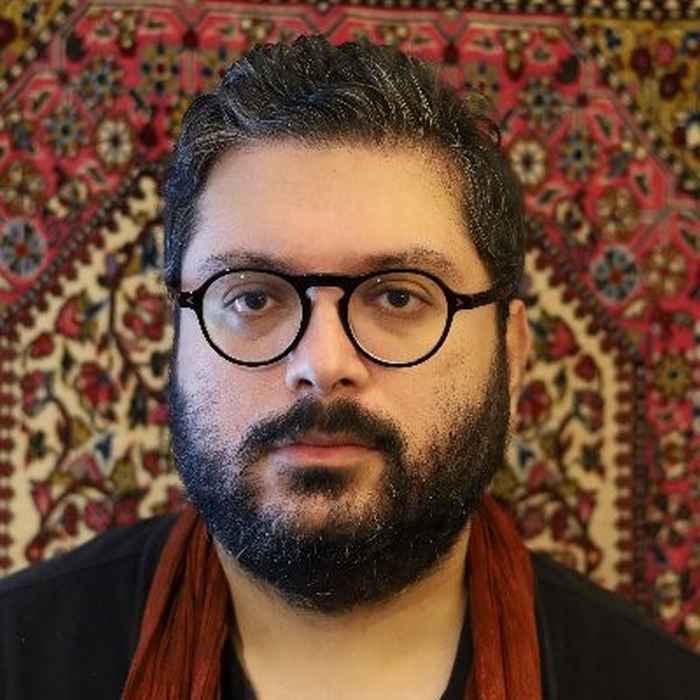
Omer Aijazi is a transdisciplinary scholar whose work bridges disaster studies, political anthropology, and decolonial praxis. He is an Assistant Professor of Critical Disaster Studies at the Humanitarian and Conflict Response Institute at the University of Manchester. Omer’s research draws on long-term ethnographic fieldwork in the borderlands of Kashmir and northern Pakistan, intervening in questions of how ecology, humanitarianism, and colonial exhaustion shape political life and futurity. He is the author of Atmospheric Violence: Disaster and Repair in Kashmir (University of Pennsylvania Press, 2024), which examines life, repair, and flourishing amid chronic environmental and political violence in Kashmir. The book has received multiple international accolades, including the Gloria E. Anzaldúa Book Prize, the James Fisher Prize for First Books on the Himalayan Region, and the Nautilus Book Award in Social Change and Social Justice.
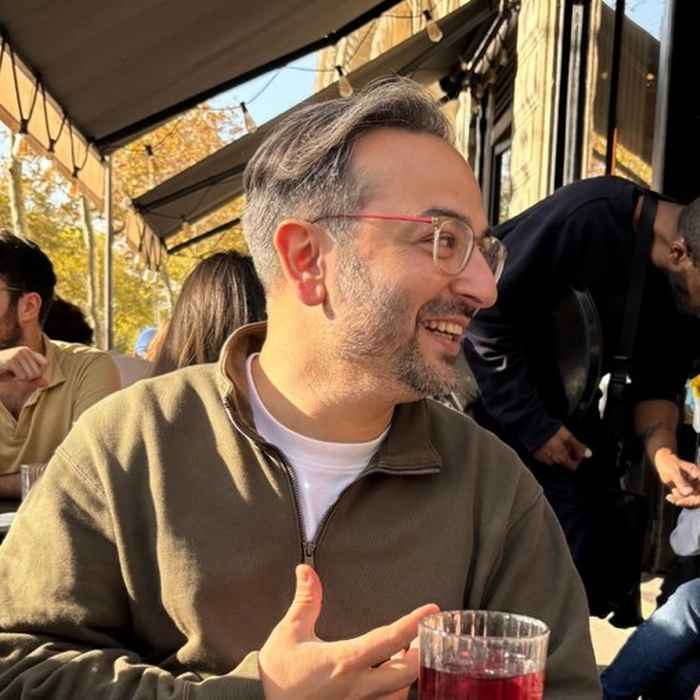
Haris Zargar is a journalist and researcher working at the intersection of land regimes, foodways, and social movements. He is currently based at the International Institute of Social Studies, Erasmus University Rotterdam, The Hague. His research engages questions of agrarian change, political economy, and rural transformation. He has worked extensively as a journalist covering politics, conflict, and social development, bringing a grounded, field-based perspective to his academic work. His writing bridges critical scholarship and public discourse, with an emphasis on dispossession, resistance, and everyday agrarian life.
Moderator/Facilitator
Iftikhar Hussain (MA, University of Amsterdam) is currently a PhD candidate at the International Institute of Social Studies, Erasmus University. His doctoral research explores how land is imagined within agro-pastoral communities in the Himalayan borderlands, framed through the intersecting lenses of multispecies and movement ecology.